


Sowing grass seed by yourself is a highly effective and affordable way of getting your dream lawn off to a perfect start. So, what is the best way to sow grass seed? Can you put grass seeds straight into the soil?
While seeding a lawn is a fairly straightforward task, there are a few key considerations to keep in mind. To lend a hand, at Landscaping Superstore, we’ve put together a comprehensive guide on how to sow grass seeds to help you avoid any potential pitfalls along the way. Read on to learn more.
Table of contents
- When to sow grass seed
- How to prepare soil for grass seed
- How to sow grass seed step by step
- Sowing grass seed on an existing lawn
- Understanding how to plant grass seed
When to sow grass seed
When it comes to planting grass seed, the right timing is of the essence. It significantly affects germination since a soil temperature of 8-10°C or higher is necessary. So, planting in the middle of winter is impractical in the UK as the soil is below the optimal germination temperature.
So, what month do you plant grass seed in the UK?
The best time to plant grass seed in the UK is during late spring or early autumn, particularly in April through May and September through October. Early autumn is preferred for its warm soil from summer and increased rainfall, aiding new grass growth without the need for extensive watering.
Once you’ve finished sowing, you’re looking at around 7-10 days for your grass to start growing. To find out more, head over to our How long does grass seed take to grow? guide.

How to prepare soil for grass seed
Preparing the soil for grass seed is crucial for successful grass seed germination and growth.
Follow these steps to prepare your soil for grass seed.
Step one: Clear the area
Remove debris, rocks and any existing weeds from the area where you plan to sow the grass seed. If you’re using a weedkiller, make sure you follow the manufacturer’s instructions carefully and leave plenty of time before moving on to the next step.
 Step two: Aerate the soil
Loosen the ground with a pitchfork or aerator to improve drainage and allow the seeds to penetrate the soil easily.
Step three: Add organic matter (optional)
Depending on the quality of your soil, you might want to incorporate organic matter such as homemade compost, which can help speed up the overall process. This enhances soil structure, provides nutrients and improves water retention, giving your lawn seed a head start.
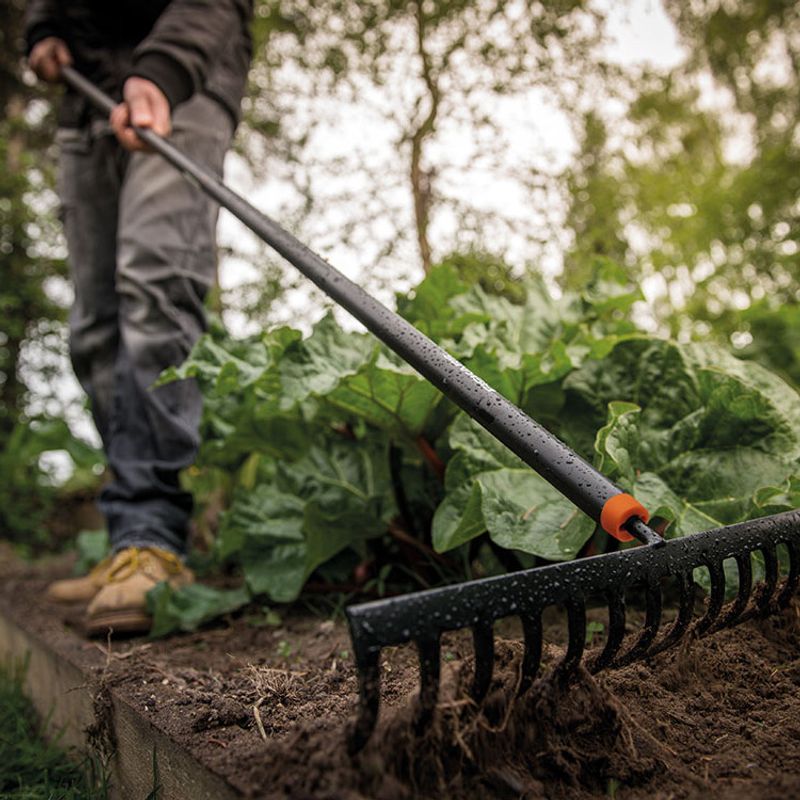
Step four: Level the surface
Rake the soil to create a smooth and level surface. This ensures an even distribution of grass seed and promotes uniform germination.
Now that you’ve done all the preparatory work, it’s time to move on to the main part of the project!
How to sow grass seed step by step
Creating a lush, green lawn when sowing grass seed is a rewarding and straightforward process, especially when the soil has been adequately prepared. Since you’ve already done that, follow these steps for the best results.

Step one: Measure the required amount of lawn grass seeds
Before you get to work growing grass, you need to calculate the specific amount of grass seeds per square metre you’re going to need. This will differ depending on the type of grass you’re using and the supplier. So, ensure you read the manufacturer’s instructions carefully.
However, too few seeds per square metre, and you’ll end up with bare patches you’ll have to tend to later. Too many, and you might end up exhausting the soil and making it difficult for the seeds to get enough air and moisture.
There’s no need to worry, though, as the correct amount of seeds per square metre should be printed on the pack.
Step two: Distribute the seed evenly
If you’re working with a large seedbed, use a broadcast spreader for even seed distribution. This will ensure uniform coverage, preventing sparse or overcrowded areas.
So, what if you’re only seeding a small patch? Do you just sprinkle grass seed? Yes, you can do that! In fact, it’s probably easier over a smaller area. Just make sure you sprinkle the seeds evenly across its entirety. That’s how to sow grass seed by hand.
Step three: Rake the seedbed carefully
Gently rake the soil after seeding to lightly cover the grass seeds. This enhances seed-to-soil contact, promoting germination.
Step four: Firm down the seedbed
Use a light lawn roller or walk softly across the seedbed to firm down the soil. This will ensure better seed-to-soil contact and prevent your seeds from scattering in the wind or being washed away during rain.

Step five: Water the seeds regularly
If no rain is forecast that day, water the seeded area immediately after sowing with a light spray. Then, keep the soil consistently moist during the germination period, which typically takes one to two weeks, as we mentioned earlier.
Watering frequency may vary based on weather conditions. With that in mind, you should aim for regular, light watering to prevent the soil from drying out. During the first few weeks of cultivating grass, avoid walking on the lawn as much as possible, as you might damage the seeds.
Continue with a regular watering schedule, ensuring the soil stays consistently moist until the grass is well-established. Gradually transition to a deeper and less frequent watering routine as the lawn matures.
That’s all it takes! It won’t be long before you can start enjoying your lush new lawn in earnest!
Sowing grass seed on an existing lawn
Every once in a while, parts of your lawn might need a reboot. Luckily, you won’t have to start from scratch.
Here’s how to sow grass seed on an existing lawn.
Step one: Mow the existing grass
Start by mowing the existing grass to a short height and removing any debris or thatch. This way, you’ll give new grass seed a better chance of making contact with the soil.
Step two: Rake the soil surface
Next, use a rake to lightly scratch the soil surface, creating a conducive environment for seed germination.
Step three: Lay the grass seed
Luckily, unlike starting a new lawn, when laying grass seed on an existing lawn, there’s no need for extensive soil preparation or levelling. Instead, focus on ensuring good seed-to-soil contact. To achieve this, lay the grass seed evenly over the lawn, using a spreader for larger areas.
Step four: Rake the soil again
After seeding, lightly rake the soil again to cover the seeds with a thin layer of soil. Water the lawn thoroughly and keep the soil consistently moist during the germination period.
As always, timing is crucial. The best time to overseed a lawn in the UK is typically during late summer to early autumn when soil temperatures are still warm, and there’s enough moisture for successful germination. This allows the new grass to grow before winter, ensuring a lush, healthy lawn in the following spring.
Tip: When sowing grass seed on an existing lawn, use half the amount of seeds per square metre you’d normally use on a new lawn.

Understanding how to plant grass seed
Growing grass from seed is not rocket science – but that doesn’t mean it deserves anything less than diligence and patience.
Remember: Choose the right time of year and weather conditions, pick a suitable UK grass seed for your area, prepare the soil, and you’re halfway there!
Now that you know how to sow grass seed, you can be confident you’ll soon have the perfect verdant lawn to showcase your creative garden and landscaping designs.

Was this guide useful?
Mentioned in this project guide:


