


A grubby piece of garden furniture is not what you want to see. Whether it’s a spilt drink, food, bird droppings or algae, it’s best to deal with these issues before they get worse. That’s why we’re going to help you with our cleaning guide for garden furniture.
We won’t just cover how to clean immediate stains and mess, but also how to maintain the cleanliness of your garden furniture. That way, you can enjoy your seats, tables and more for years to come without being concerned about long-term damage.
We will explore the unique methods for cleaning garden furniture, such as wood, plastic, metal and even rustic. Take a look to learn more about these effective methods to ensure your garden furniture lasts longer.
Table of contents
- Before you clean garden furniture
- How to clean wooden garden furniture
- How to clean metal garden furniture
- How to clean plastic garden furniture
- How to clean rattan garden furniture
- How to clean garden furniture cushions
- How to clean bird poop off garden furniture
Before you clean garden furniture
Whichever material your furnishings are made of, you must make certain that any accessories or other furniture not intended for cleaning are removed from the area. This will prevent them from being damaged or stained by the cleaning materials. They must be dry before storage, too. If not, this will cause mould and mildew to show up.
How to clean wooden garden furniture
Let’s begin with classic timber garden furniture. Now, some woods are naturally resistant to weather due to essential oils (such as teak, eucalyptus, and Robinia), but softwood furniture (like beech or spruce wood) is more likely to require care. Nevertheless, cleaning the wood is recommended regardless of whether it’s hard or soft.
Working against the grain and avoiding wire brushes or aggressive cleaning materials is also required.
With the basics out of the way, here are a few ways to clean this furnishing material. Let’s take a look!
Soft bristle brush and wood cleaner
A soft brush will help prevent damaging the wood, as the bristles are smooth enough to clean the material.
Wood cleaner is self-explanatory if you obtain a suitable cleaner for the furniture. The instructions will vary, so read them thoroughly before using the product. In most cases, however, you must rinse the product off after cleaning and let the furniture dry, especially when you want to apply a stain or finish.
Soft bristle brush and homemade cleaner
Homemade cleaners are less recommended, but if you insist on creating your cleaning product, you’ll need the following:
- Two parts non-bio washing liquid
- One part bleach
- A large bucket of warm water
- A soft brush
- Vacuum (optional)
You’ll also need a hose to wash away the cleaning product after use. You can use a pressure washer on the lowest setting, but this is typically not advised as it can risk damaging the timber.
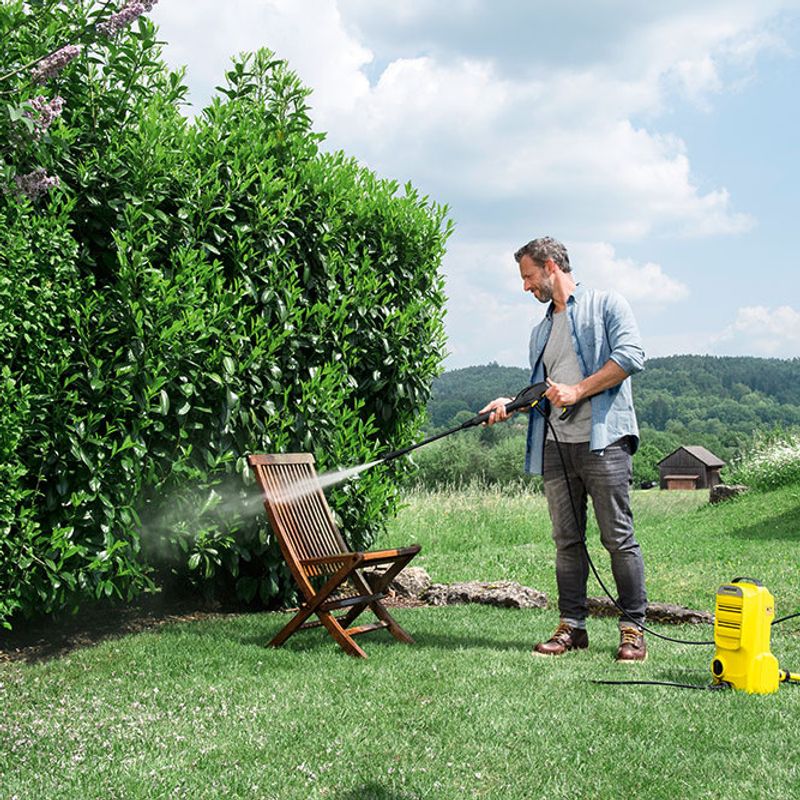
Before starting, it’s important to note that bleach may cause the colour of the wood to fade. If you wish to prevent this and eliminate the surface patina, proceed to the next method in this list. However, if fading isn’t a concern, you may continue with the cleaning process.
After you’ve completed your preparations and the furniture is completely dry, start by removing any loose dirt that may be present, using either a soft brush or a vacuum cleaner. You can then apply the cleaner, scrub any stubborn dirt off the surface of the wood and rinse off leftover soap or dirt missed by the brush.
Soft bristle brush and caustic cleaner
If you’ve had difficult cleaning issues before, you might be familiar with the term ‘caustic.’ This term refers to substances capable of causing chemical burns or corrosion to organic tissue. This is what you need to remove the weathered patina from wooden furniture without affecting its colour.
With that said, read the safety instructions before using this cleaning product. Testing the product on a small part of the furniture first is also advised to see how it will affect the wood and prevent unwanted results. As part of a full restoration, it may be necessary to lightly sand the furniture, too.
Sealing the wood with a suitable sealer is the next step. It will support the preservation of its natural colour. A bonus is that it will prevent mould and mildew, with some sealers protecting the furniture from stains developing when food, drink, etc., is around.
Avoid things like varnish and non-recommended sealers. These can cause damage to your wooden garden furniture, increasing the sanding and maintenance requirements long-term.
Do not let water pool on the furniture either, as this can dampen the wood and cause further long-lasting (sometimes irreparable) damage.
How to clean metal garden furniture
Metal garden furniture is broader in terms of materials. You’ve got aluminium garden furniture, wrought iron garden furniture etc. We’ll be covering the methods for cleaning these types of furnishings to ensure yours looks as good as new for longer.
Soft bristle brush and washing up liquid
This cleaning method is best suited to wrought iron garden furniture.
Grab some washing-up liquid, a bucket of warm water and a soft scrubbing brush. Then, clean all furniture parts thoroughly and rinse them off using a hose. If Lady Luck has favoured you with a sunny day, the furniture should dry relatively quickly.
If your iron garden furniture has rust, you must deal with it promptly. Neglecting this will result in excessive damage over time. So, grab some sanding material to remove rusty patches and cracked paint from the surface. This may require some exertion, but it’ll be worth it! Once complete, you can wipe off the dust using a damp cloth or rinse it using the hose again.
Nylon-bristled brush or sweeping brush
This method is best suited to cast aluminium garden furniture. Aluminium is not vulnerable to rust like iron, but is at risk of indents during weather exposure. Luckily, aluminium is easy to clean.
Brush away any leaves, droppings, etc., with a nylon-bristled brush or sweeping brush (whichever you choose is up to you). Once that’s done, you can rinse the debris from the surface using a hose.
After that, grab some hot, soapy water and use a nylon-bristled brush (an old toothbrush is also great for this!) to scrub away the grime the hose did not remove. Rinse the furniture again after cleaning is complete.
Using homemade cleaning products is possible for indents on aluminium. Use a soft cloth to dip in water mixed with white vinegar solution (wearing gloves as you do so). With that in mind, avoid using abrasive materials. These could scratch the aluminium.
How to clean plastic garden furniture
Plastic garden furniture is one of the easiest furnishing materials to clean. Having said that, plastic is generally porous, meaning it has small spaces or holes that allow liquid or air to pass through. So, you will need more than a sponge and cleaning liquid to ensure its immaculate condition.
Sponge and mild bleach
Lack of proper maintenance for plastic furniture can lead to yellow and grey colouring if left outside over time. If you have white plastic garden furniture, mild bleach is one of the better ways to keep it that same colour.
Like wood, bleach may result in the colour of the plastic furniture fading. If this is an issue, you can opt for white vinegar in a bucket of warm water instead to remove more stubborn stains and debris.
Get a bucket, fill it with warm water and some car shampoo or washing-up liquid (adding bleach if the furniture is white or has a lot of mildew) and start scrubbing away at the furnishings (wearing protective gloves as you do so) with the soft side of a sponge or old toothbrush (very useful for the difficult spots). Only use the tougher side of the sponge if stubborn stains are apparent, as this side can risk scratching the finish.
Once cleaning is complete, rinse it off using a garden hose or pressure washer on low setting and dry with a soft cloth. The soft cloth will prevent water spots from forming.
How to clean rattan garden furniture
You may be pleased to know that rattan garden furniture only needs cleaning when necessary. The cleaning protects the weaves from wear and tear. Keeping this in mind, let’s proceed to the method of cleaning this material!
Note: When handling cracked rattan furniture, wear protective gloves to prevent splinters.
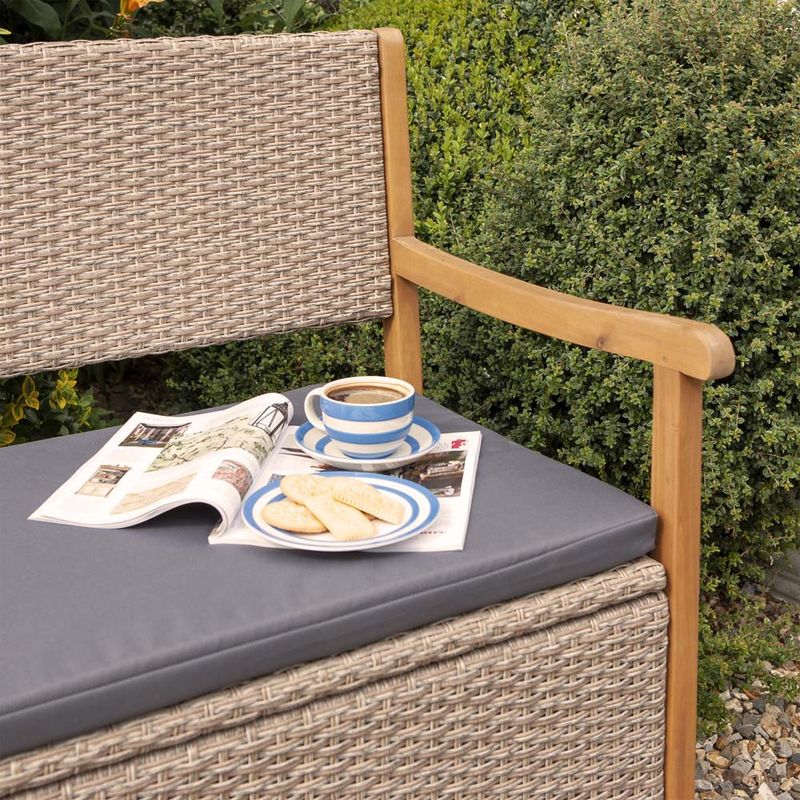
Soft cloth and washing up liquid
Natural rattan is vulnerable to fading when exposed to water and soap. So, a mild washing-up liquid and warm water mix is all that’s needed. When using a brush, ensure it has a natural bristle. The softness will prevent damage to the rattan. The flexibility of the brush also means you can reach the more difficult parts of the furniture.
If you’re struggling with a bristle brush to reach the crevices, an old toothbrush or similar soft-bristle brush of a smaller size can be a great way to remove the grime from the rattan. If left to thrive, the dirt can cause the rattan weave to split, so you must address it accordingly. The same for synthetic rattan furniture, so ensure you keep it clean regardless of whether it’s authentic or not.
Soft cloth and furniture polish
If your rattan furniture is already clean, giving it a good old polish can really make a difference for that finishing touch.
For either method, once the furniture is dry, you can use a hoover and brush attachment to remove dry debris from the weaves.
How to clean garden furniture cushions
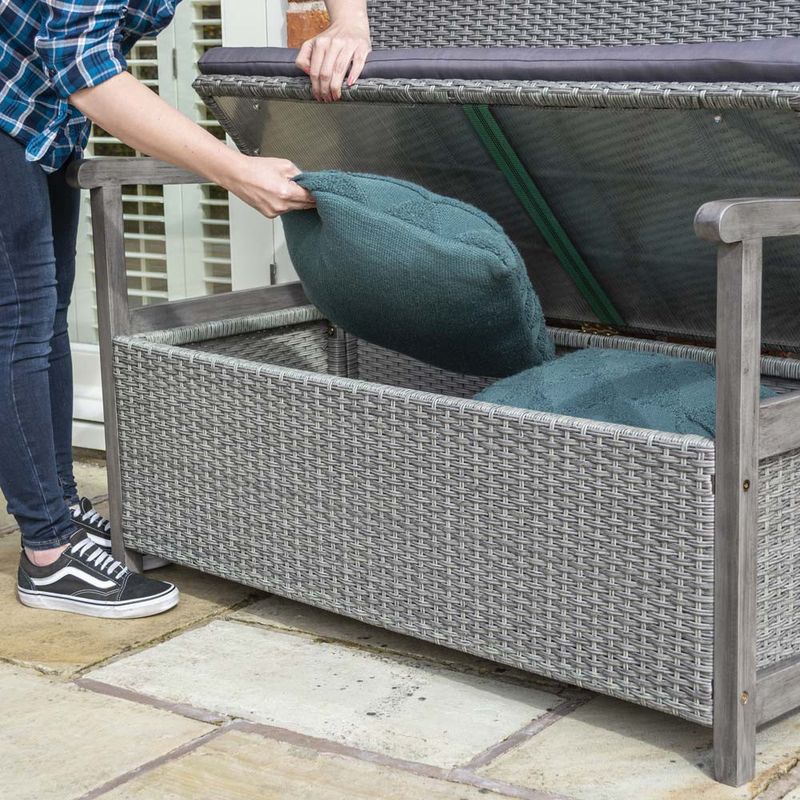
Luckily, many garden furniture cushions can withstand varying temperatures. Some cushions have water resistance, but it’s worth storing them away when not in use to minimise the need to clean them, thanks to minimised exposure to the elements.
Don’t store them away if they are damp, either. The tight space will risk mould and mildew forming. Let them dry completely before storing them in bags or enclosed areas. This will minimise the risk of green growth and reduce the need for frequent cleaning.
Using a damp microfibre cloth
In the summer, your cushions may be subject to dust. Wiping them down with a damp microfibre cloth is one of the easiest ways to deal with this.
Using a fabric protector
A fabric protector is also useful because it can help prevent stains from lingering. Test the protector before using it all over, however. This helps confirm whether the solution is suitable for the material. As always, read the manufacturer’s instructions.
How to clean bird poop off garden furniture
If your garden furniture has been affected by animal droppings, clean it as soon as possible. This is because contaminated bird droppings can lead to diseases, as explained by the government Health and Safety Executive site. It’s also not very useful for your garden furniture and can damage furnishing finishes and more without quick care.
Now, your first thought may be to contact a suitable cleaning service. Luckily, this isn’t always the case, and there are cost-effective ways of doing it yourself. However, with the health issues it can cause, there are precautions you must take if you are tackling it without professional cleaning support.
Before proceeding with any of the methods below, you must get these to prevent the particles from being breathed in:
- protective gloves
- clothing
- a mask
Importantly, do not pick it off! Scrub the surface with severe aggression or pressure wash/scour pad the surface. These tools all vary in purpose for different materials. So, tackling this cleaning issue will require a specific approach.
It’s also worth reading the manufacturer’s instructions or testing the cleaner on a small spot of the furniture before trying any of these cleaning tasks.
Use baking soda
This is a great solution for metal and rattan garden furniture. Visit your kitchen cupboard or pantry and grab your baking soda.
Step one: Create the cleaning solution
Mix one tablespoon of baking powder with 100mm of warm water. Add this to a spray bottle and shake it accordingly.
Step two: Spray the solution onto the furniture surface
As the cleaning solution starts to fizz, head back to the garden furniture and spray it directly onto the surface. It should continue to fizz for a few minutes.
Note: Ensure the spray enters all the nooks and crannies – especially rattan furniture – to avoid letting it fester.
Step three: Wipe away the grime
Once the fizz disappears, you can wipe the droppings off the surface with a clean, damp microfibre cloth.
Try diluted white vinegar
We all know that vinegar is an age-old favourite for cleaning. Here is no different, with this solution being a suitable cleaning choice for wood and rattan garden furniture.
Step one: Create the cleaning solution
Mix equal parts white vinegar with water. Add this to a spray bottle and shake it accordingly.
Step two: Spray the solution onto the furniture surface
Head back to the garden furniture and spray it directly onto the surface. Leave it to take effect for a few minutes.
Note: Ensure the spray enters all the nooks and crannies – especially rattan furniture – to avoid letting it fester.
Step three: Wipe away the grime
After a couple of minutes, you can wipe the droppings off the surface with a clean, damp microfibre cloth.
Opt for car wipes
Car wipes? Surely, they’re for a car? Well, you’d be surprised. Car wipes are exceptionally effective for metal and rattan garden furniture. Since cars are also victims of aesthetic sabotage, it makes sense that there are wipes specially made for removing bird poop.
See what you can do with sparkling water
While baking soda and white vinegar are also suitable for timber furniture, they should not sit on the surface too long, as they can damage the wood. If you have concerns, you can opt for sparkling water instead.
Step one: Apply the sparkling water
Gently pour the sparkling water on the affected area and leave it to fizz for a minute max.
Step two: Clear off the droppings
Wipe away the water and the droppings using a damp microfibre cloth.
Have a go with carpet stain remover
Sounds like an odd one, right? Well, you may be surprised to know it’s ideal for garden cushions and parasols. Especially if the cushion covers aren’t cleaning well in the washing machine. So, deal with the stubborn stains as soon as possible.
Step one: Brush away as much of the droppings as you can
Using a soft-bristle brush, carefully attempt to remove as much of the mess as possible.
Step two: Apply the carpet cleaner
Apply it directly onto the droppings (foam is ideal for easy application). You’ll want to dab this with a damp microfibre cloth and then leave it to dry.
Step three: Use a hoover to pull it off
Grab your hoover to suck up the grime from the surface.
There you have it! Ways to remove bird and other animal mess from your garden furniture and plenty of other cleaning tips.
Need more landscaping advice? Head over to our Help and Advice hub for a range of other guides detailing ways you can make the most out of your latest gardening projects.

Was this guide useful?
Mentioned in this project guide:


